Elevate Your Lifestyle: Discovering How Organic Teas Can Improve Your Health
Organic teas offer an easy yet powerful method to improve general wellness. Every variety fulfills a distinct role, ranging from chamomile's soothing properties to the invigorating properties of green tea. Thoughtful brewing establishes a practice that fosters personal growth. As individuals explore these options, they could learn how certain varieties complement their well-being aspirations. The experience of selecting the ideal tea can bring about unforeseen revelations and growth.
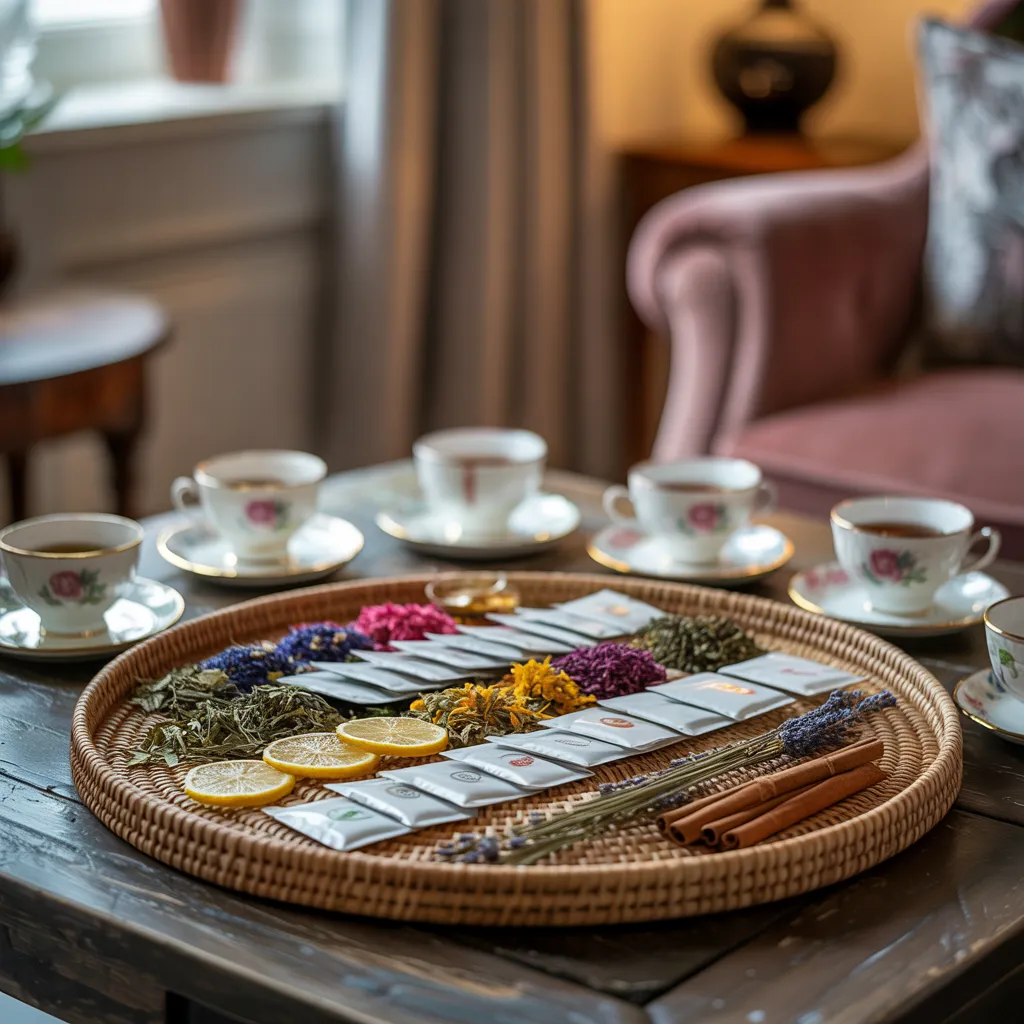
The Calming Effects of Chamomile Tea
Chamomile herbal tea, celebrated for its relaxing properties, has long been a cornerstone in the domain of herbal remedies. This fragrant brew, derived from the dried blossoms of the chamomile plant, is cherished for its remarkable power to induce relaxation and ease tension. Its tranquilizing effects are primarily attributed to the abundance of apigenin, a powerful antioxidant that targets specific receptors in the brain, inducing a tranquil state.
Regular consumption of chamomile tea has been shown to support better sleep, making it an excellent option for your nightly routine. Many individuals turn to this herbal brew as a natural remedy for anxiety, finding comfort in its warm, gentle embrace. Additionally, chamomile tea can aid in digestion, enhancing an overall sense of health and harmony. With a growing number of individuals looking for natural ways to handle stress, chamomile tea remains a popular and effective option, valued for its remarkable capacity to bring calm and serenity to everyday living.
Invigorate Your Day With Organic Green Tea
When seeking a natural boost of energy, a growing number of people choose organic green tea, renowned for its revitalizing effects. Loaded with antioxidants and key nutrients, this tea delivers numerous health benefits that improve general well-being. The combination of caffeine, combined with the amino acid L-theanine, delivers a steadier energy boost compared to coffee, reducing the risk of jitters and crashes.
Regularly drinking organic green tea may also improve mental clarity and focus, making it an excellent selection for people seeking consistent energy levels all day long. Moreover, its metabolism-enhancing qualities can aid in maintaining a healthy weight, enhancing overall well-being.
How Herbal Tea Blends Strengthen Immunity?
Herbal tea combinations provide a distinctive pathway toward boosting immune health, leveraging the potential of numerous thorough guide plant-based ingredients renowned for their health-promoting properties. Notable botanicals like echinacea, elderberry, and ginger are often combined to create powerful blends that can help strengthen overall immune health. Echinacea, widely recognized for its capacity to activate immune function, complements elderberry, which is celebrated for its virus-fighting capabilities.
Additionally, ginger contributes anti-inflammatory properties, additionally supporting the body's defenses. These herbal blends not only supply hydration but also offer essential antioxidants that fight oxidative stress. The habit of brewing and drinking herbal tea can also support relaxation, which is important for overall wellness and immune function. By incorporating these herbal tea blends into daily habits, individuals may experience a holistic boost in their immunity, making it a worthy addition to any health regimen.
Ways Peppermint Tea Can Improve Your Focus?
Peppermint tea has long been celebrated for its ability to improve mental focus and concentration. Its invigorating aroma can help alleviate stress levels, creating a more focused mindset. As a result, incorporating peppermint tea into one's routine may lead to improved cognitive performance.
Elevates Mental Clarity
Though different teas come with their own merits, peppermint tea distinguishes itself through its power to improve mental focus. Abundant in menthol content, peppermint tea stimulates the mind, promoting alertness and focus. Research suggests that the invigorating aroma of peppermint can enhance cognitive performance, making it more effortless to maintain attention on responsibilities. The tea's revitalizing taste may also encourage hydration, further supporting ideal brain function. Serving as a rich natural antioxidant source, peppermint aids in shielding neural cells from oxidative damage, potentially improving sustained brain health over time. Consistent intake of peppermint tea may establish habits that cultivate cognitive acuity, allowing individuals to approach difficulties with enhanced focus. As a result, adding peppermint tea to one's daily routine can act as a straightforward yet powerful method for boosting cognitive sharpness.
Relieves Stress Levels
Many individuals suffer from heightened stress levels in their day-to-day lives, often leading to diminished focus and efficiency. Peppermint tea, recognized for its refreshing scent and flavor, functions as a holistic solution for relieving stress. The menthol found in peppermint has soothing qualities that can ease tension in the mind and body, lessening feelings of stress and anxiety. This herbal beverage not only encourages relaxation but also improves cognitive clarity, making it easier to focus on daily tasks. Drinking peppermint tea regularly can create a moment of pause in a person's daily schedule, giving individuals the opportunity to recharge and refocus. Through the regular inclusion of peppermint tea in one's routine, individuals may find improved focus and a greater sense of well-being in the face of today's everyday pressures.
Brewing the Perfect Cup for Relaxation
When seeking relaxation, choosing the appropriate ingredients is fundamental for preparing the ideal cup of tea. Herbal combinations, such as lavender and chamomile, are recognized for their soothing qualities. Additionally, applying proper brewing techniques can improve the overall experience, establishing a relaxing ritual that encourages serenity.
Selecting Calming Ingredients
When selecting ingredients for a calming cup of tea, it is important to consider the soothing properties of a variety of herbs and botanicals. Chamomile is renowned for its soothing effects, frequently encouraging restful sleep and reducing anxiety. Lavender, known for its delightful fragrance, may help diminish stress and uplift mood. Furthermore, lemon balm provides a mild soothing effect, making it an excellent choice for relaxation. Passionflower is another herb that can alleviate tension and promote tranquility. Combining these elements can produce a balanced flavor profile while amplifying their soothing properties. Herbal teas free from caffeine are ideal, as they contribute to a serene experience. By mindfully picking these calming elements, one can prepare a tea that benefits both the mind and body.
Perfect Brewing Approaches
Steeping practices have a major impact in elevating the calming properties of herbal teas. To create the ideal cup, temperature and steeping time are critical. Typically, water should be heated to around 200°F for most herbal blends, facilitating perfect extraction of flavors and beneficial compounds. Steeping duration varies; typically, three to five minutes is recommended, but fragile herbs may require less time. Choosing loose leaf tea can improve the infusion, as it provides more room for the leaves to open up and share their essence. Furthermore, using a fine mesh strainer can stop particulate matter from muddying the tea. To complete the experience, customizing the experience with soothing additions, like honey or lemon, can enhance relaxation, making each cup an enjoyable tradition.
Discovering Exceptional Organic Teas Worth Trying
What distinctive tastes can organic teas contribute to one's everyday routine? Organic teas offer a diverse palette, enhancing the sensory experience of tea drinking. As an example, rooibos tea, originating from South Africa, delivers a naturally sweet, nutty taste, making it a wonderful caffeine-free alternative. Similarly, butterfly pea flower tea captivates with its vibrant blue hue and subtle earthy taste, often transforming into a deep purple when citrus is added.
For individuals looking for something more fragrant, jasmine green tea merges the fresh notes of green tea with the sweet aroma of jasmine blossoms, creating a revitalizing blend. Additionally, hibiscus tea, known for its tartness and vibrant color, is rich in antioxidants and can be enjoyed hot or iced. These distinctive organic teas not only delight the palate but also provide numerous health advantages, encouraging people to discover and enhance their everyday routines.
Developing Your Personal Tea Practice for Wellbeing
A carefully planned tea routine may function as a soothing ritual that enhances holistic health. To develop a personalized tea routine, you should begin by recognizing defined well-being targets, whether it be stress relief, vitality, or digestive support. Picking organic teas that correspond to these aims is important; to illustrate, chamomile is known to support relaxation, while green tea is effective at elevating energy levels.
Creating a set time for tea, such as morning or evening, encourages consistency. The brewing process, from sourcing the tea leaves to brewing, should be thoughtful and intentional, elevating the moment. Introducing elements like calming music or a cozy setting can greatly elevate this ceremony.
Finally , using a journal to monitor emotions and results can give clarity about what yields the greatest benefits . By tailoring the tea ritual to individual needs , individuals can develop a helpful routine that contributes to overall well-being and mindfulness .

Common Questions and Answers
Can Organic Teas Interact With Medications I'm Taking?
Indeed, natural teas can interact with particular medications. It is essential for people to consult healthcare professionals before adding them to their daily routines, as certain components may influence the uptake or potency of prescribed medications.
What Is the Best Way to Store Organic Teas for Freshness?
Organic herbal teas are best stored in a cool, dark place, protected from humidity, warmth, and powerful aromas. Sealed containers, like tin canisters or glass jars, work to maintain freshness and protect flavor for prolonged periods of time.
What Are the Side Effects of Consuming Too Much Tea?
Immoderate tea use can produce negative effects such as sleeplessness, elevated heart rate, digestive disturbances, and possible caffeine addiction. Tea drinkers ought to track their daily intake to reduce these adverse consequences for health and well-being.
What Is the Optimal Time to Consume Each Kind of Tea?
The best time to drink green tea is in the morning for energy, black tea during the afternoon for improved focus, herbal tea in the evening before sleep for unwinding, and white tea consistently throughout the day to maintain proper hydration.
Is It Possible to Use Tea for Skincare or Beauty Purposes?
Indeed, tea works well for beauty and skincare routines. The antioxidants and anti-inflammatory compounds it contains help soothe the skin, reduce redness, and improve overall complexion, making tea a valuable inclusion in daily beauty practices.